
What is known about reactive defense
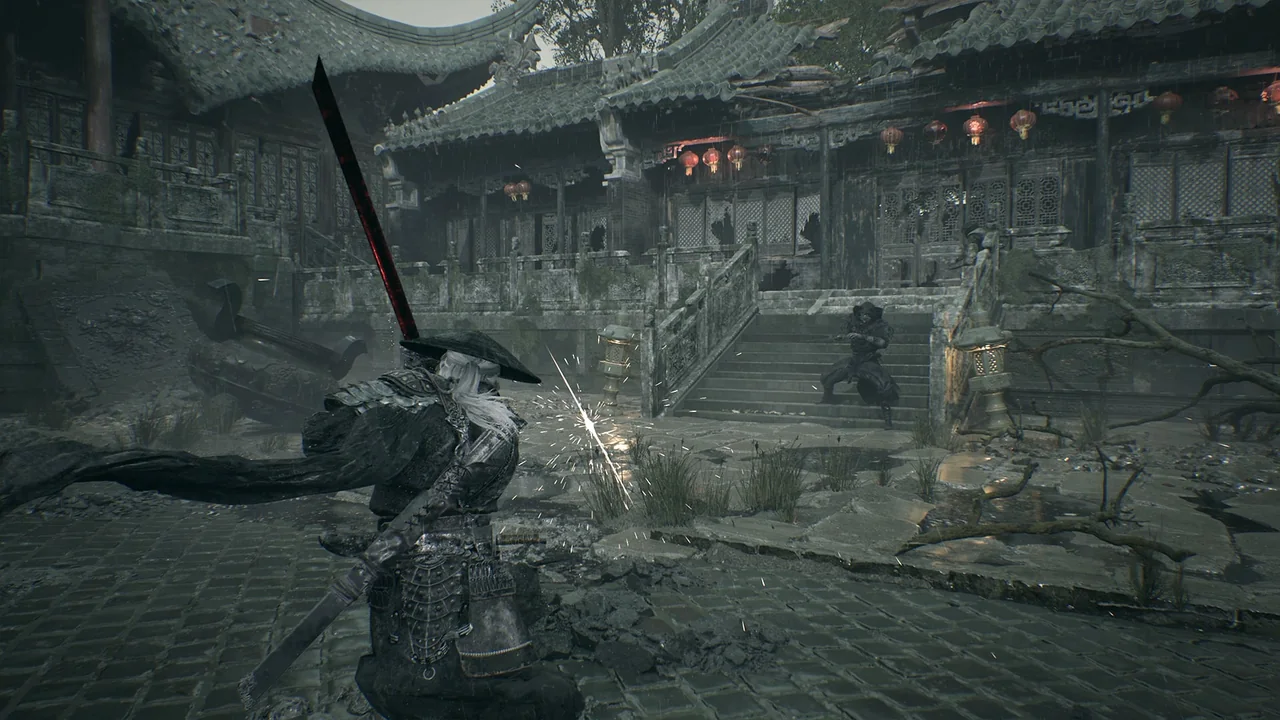
S-GAME's first gameplay announcement describes reactive parrying and dodging. That confirms defense as part of Phantom Blade Zero's combat foundation. It does not publish an exact timing window, a complete list of unblockable actions, or a rule that one response defeats every attack.
This guide provides a practice method for a playable build. Read the combat systems overview first if you need the equipment and HUD context. The exercises below are our suggested way to learn, rather than a claim that we have tested the release version.
Study one incoming action at a time
Choose an encounter in which the same action can be observed repeatedly. Read any tutorial explanation before experimenting. Keep a safe, consistent starting distance, and resist adding your own long attack sequence while learning the defensive response.
Break the observation into four moments:
| Moment | Useful note |
|---|---|
| Preparation | What changes before the enemy commits? |
| Approach | Does the enemy move or does only the weapon move? |
| Contact | When does the action actually reach Soul's position? |
| Result | Did the chosen response work, miss, or leave another attack to handle? |
A large visual flourish may happen before contact. An early success may also depend on distance. Write down what happened rather than immediately concluding that the effect marks an exact universal input time.
Compare parrying and repositioning
Test the tutorial's parry command on the isolated action. Then separately observe what happens when you reposition. Change one choice at a time so that the result can be attributed to that choice.
If a defensive input fails, check whether Soul was still performing an earlier action, whether the target moved out of the expected position, and whether another opponent intervened. The combo and cancel guide explains why an accepted defense after an attack does not automatically prove that the attack was canceled.
Do not assume invulnerability from a dodge animation alone. An attack can miss because of movement, spacing, or timing. Those explanations need to be separated before assigning hidden invulnerability frames.
Move from a single attack to a sequence
Once you can describe one action, watch what follows it. Count visible attacks in that particular sequence, note any pause, and compare attempts in the same build and difficulty. Avoid committing to a counterattack simply because the first strike has ended; the sequence may continue.
The Seven Stars preview is a useful viewing example because S-GAME explicitly describes alternating group and individual attacks. It does not supply an exact defensive script. Watch the wider encounter before concentrating on one weapon near Soul.
What a trustworthy timing claim needs
An exact frame claim should identify the build, platform, capture rate, attack, starting position, and method used to observe input acceptance. A slowed promotional clip without recorded inputs cannot establish a precise player timing window.
For everyday learning, a concise note such as “respond later than my first attempt against this action” is more useful than an unsupported numerical rule. Use the beginner practice plan to introduce offensive sequences only after you can recognize the defensive situation.
Sources
Sources checked October 11, 2026. Practice suggestions in this guide are editorial guidance, not release-build test results.