
What this page is for
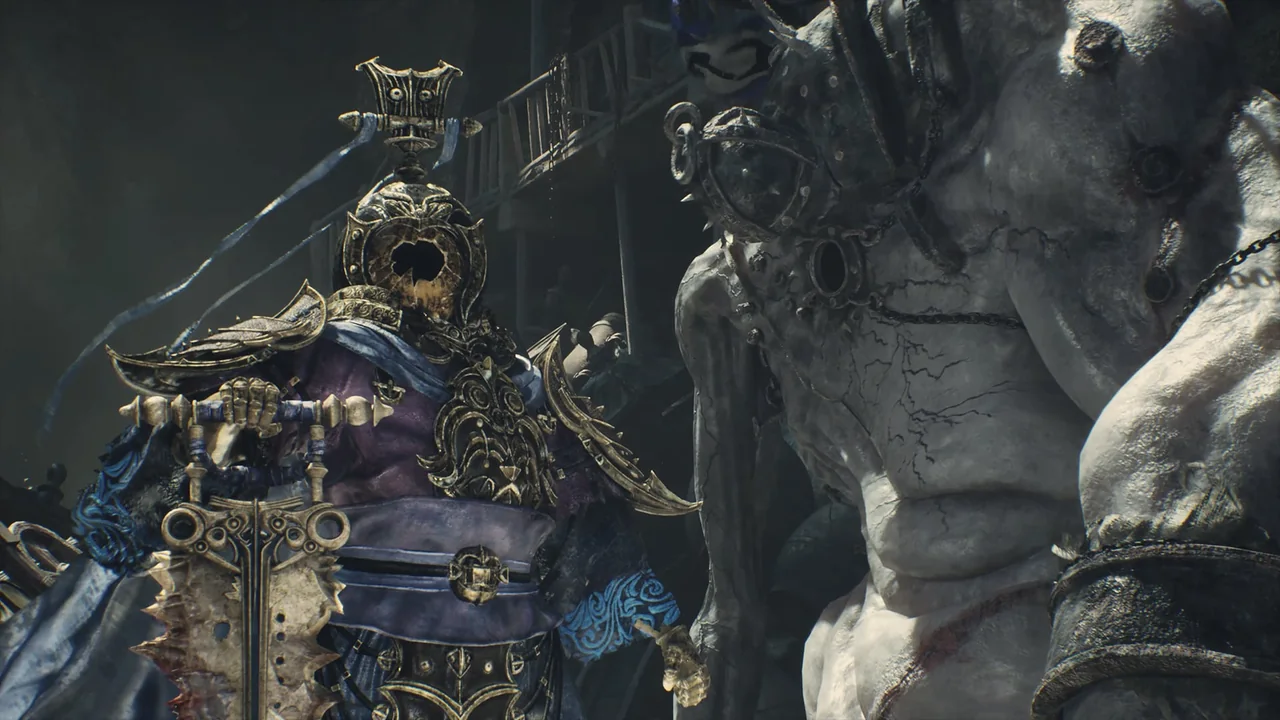
Phantom Blade Zero is now live, so this page provides a structured combat preparation method for the launched game. It covers the two critical aspects a simple roster cannot: how to read an unfamiliar encounter, and which optional bosses gate key weapon rewards and endings. The full roster — detailing 54 primary regional battles and 61 total encounters — lives on the boss list.
Every fight in the released game can be conquered through pattern recognition. Players who struggle are rarely lacking damage; they are lacking a methodical read of what the boss is executing.
How many bosses are in Phantom Blade Zero?
There are 61 total boss encounters in Phantom Blade Zero, encompassing major story milestones, hidden wanderers, and regional rematches.
Prior to release, game director Qiwei “Soulframe Liang” confirmed there would be “at least 50 bosses” tied to the game's expansive weapon and Phantom Edge arsenals. Comprehensive post-launch mapping details 54 named regional showdowns, which expand to 61 total engagements when accounting for multi-stage secret trials.
The roster distribution is strategically split: each of the eight semi-open regions contains 1 to 2 mandatory story bosses alongside several optional targets that reward unique main weapons and secondary tools. Our boss list classifies each encounter as required, optional, or rematch, and highlights the four encounters that permanently close side quests if triggered prematurely.
One legacy note: the four preview encounters featured during the 2024 demo tour — Sawman, Tie Gui, Commander Huang, and Ruthless Silver — were working titles. In the final release, their mechanics and drops appear under finalized regional names, and legacy URLs redirect cleanly to this guide.
Match an observation to its evidence
| Claim you may encounter | Evidence needed before treating it as a rule |
|---|---|
| A particular boss identity | An explicit developer name or a readable in-game encounter label |
| A fixed phase transition | Repeatable release observation, including the trigger |
| A mandatory defensive response | Tutorial or repeated tests of the particular action |
| A guaranteed interruption | The same tool and target action tested under stated conditions |
| An exclusive reward | An actual reward description or reproducible acquisition record |
One promotional clip can show an action without establishing all its conditions. A phase visible in a preview does not prove its final health threshold. A weapon used in a fight does not prove it drops afterward.
A useful first-attempt observation plan
Start by identifying what is actually targeting Soul. In a group encounter, record whether the nearby threat is the main labeled opponent or another participant. Then observe a short action sequence without adding a complicated offensive chain.
Try the defensive command described by the tutorial and note the result. Keep the same starting position when repeating the test. If another opponent intervenes, separate that attempt from one involving a single threat.
The parry practice guide expands this defensive method. The combo guide helps introduce a short response without assuming every recovery can be canceled.
Coordinated encounters need wider attention
S-GAME explicitly describes Seven Stars alternating individual and group assaults. That makes the overall formation relevant to interpreting the preview. Watching only the closest blade can miss how the other participants influence the situation.
Our suggested viewing method is to note who begins an action, who follows, and whether the grouping changes afterward. This is an observation aid, not a solved sequence or a promise that every attempt uses the same timing.
Use the combat overview for announced equipment and the selected HUD frame. It avoids deriving execution thresholds from a screenshot.
What happened to the old boss pages
The earlier Tie Gui, Commander Huang and Ruthless Silver articles contained identities, moves and rewards that could not be connected to independent primary evidence, and their names do not carry over into launch-day rosters. Their old URLs redirect here rather than to a guess.
That decision still holds: a dedicated page is worth writing when it can document the route, the action sequence, a reliable response and an observed drop. The boss list now carries the roster-level facts; per-fight strategy pages are the next layer, and they will be written from the released build rather than from preview footage.
Sources
Sources checked October 29, 2026. The roster figures come from the boss list page; practice suggestions here remain editorial guidance.